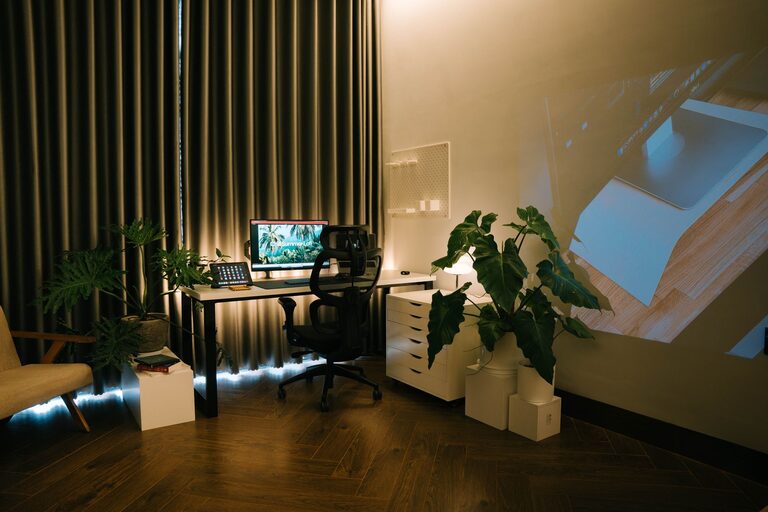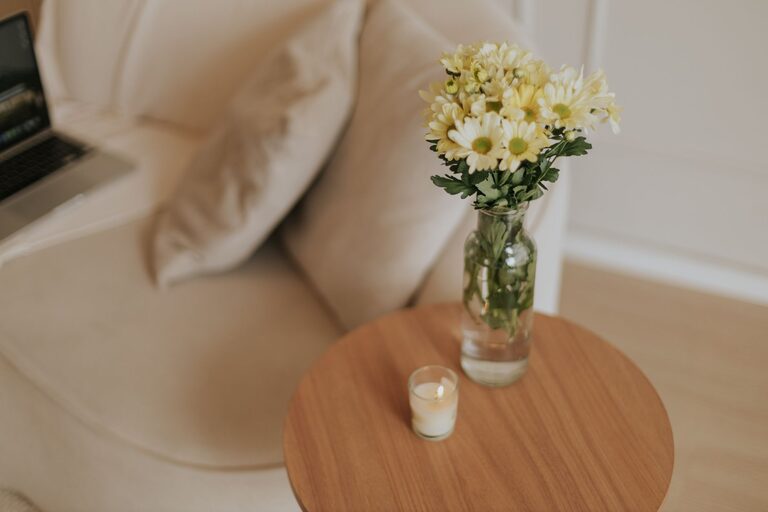

Creating a productive home office environment is key to staying focused and efficient while working remotely. With many people now spending more time at home, having a designated workspace that supports good habits can make a significant difference in your workday. Here are several practical tips to help you design a home office that encourages productivity and well-being.
Choose the Right Space
Find a Quiet Spot
Select a location in your home that minimizes distractions. Ideally, this should be a quiet area away from heavy foot traffic and noise. A spare room or a corner can work well if properly arranged.
Consider Natural Light
Natural light improves mood and alertness, so try to place your desk near a window. If natural light is limited, invest in quality lighting that mimics daylight to reduce eye strain.
Invest in Ergonomic Furniture
Comfortable Chair
Choosing an ergonomic chair with proper lumbar support helps prevent back pain during long work sessions. Adjustable height and armrests add extra comfort.
Functional Desk
Select a desk that fits your space and accommodates your work tools. Standing desks or convertible sit-stand desks offer flexibility to change positions throughout the day.
Organize Your Space Effectively
Declutter Regularly
Keep your workspace clean and free from unnecessary items. Clutter can reduce focus and increase stress, so limit what you keep on your desk.
Use Storage Solutions
Use shelves, drawers, and organizers to keep supplies and documents neatly stored. Labeling storage containers can further simplify finding what you need.
Optimize Your Technology Setup
Reliable Internet
A stable and fast internet connection is essential for video calls, research, and cloud-based applications. Consider using a wired connection if Wi-Fi isn’t strong enough.
Quality Equipment
Invest in tools that help you work efficiently such as a good monitor, keyboard, mouse, and headset. Ensure your computer and software are up to date.
Cable Management
Tidy cables reduce distractions and prevent accidents. Use cable clips, sleeves, or under-desk trays to keep cords organized and out of sight.
Enhance Focus and Minimize Distractions
Set Boundaries
Communicate your work hours to people you live with to minimize interruptions. Use signs or closed doors to signal when you’re focusing.
Noise Control
Use noise-cancelling headphones or play background music that helps you concentrate. Some people find white noise or nature sounds especially calming.
Personalize Your Workspace
Add Inspiring Elements
Incorporate items that motivate you such as plants, artwork, or quotes. A pleasant workspace can increase creativity and a positive attitude.
Maintain Comfort
Adjust the temperature, lighting, and seating to suit your preferences. Having water and healthy snacks nearby can keep you comfortable and energized.
Develop Healthy Work Habits
Take Breaks
Following the Pomodoro technique or simply standing up every hour helps reduce fatigue and refreshes your mind.
Keep a Routine
Set regular start and finish times for your workday. Prepare your workspace each morning as if you were going to the office.
Limit Multitasking
Focus on one task at a time to improve work quality and reduce stress.
Conclusion
Creating a productive home office environment involves a mix of choosing the right location, investing in comfort and organization, and building habits that support focus and efficiency. By applying these tips, you can transform your home workspace into a zone that enhances your productivity and well-being. Remember, a well-designed office is a foundation for successful and enjoyable work-from-home days.